

How to Choose the Best Food Truck Metal Sheet for Durability
Durability is one of the most important factors when building or upgrading a food truck. The exterior and interior surfaces are exposed to heat, moisture, grease, and frequent cleaning. Selecting the right material is not just about appearance; it directly impacts maintenance costs, safety compliance, and long-term performance. According to The Restaurant HQ, there are currently over 58,000 food truck businesses in the US, highlighting how competitive and demanding the mobile food industry has become.
When evaluating food truck metal sheets, operators need to think beyond initial pricing. Material type, thickness, corrosion resistance, and installation quality all play a role in how well the truck performs under daily operational stress. Working with qualified fabricators or commercial kitchen contractors is critical to getting the right outcome.
Below is a structured breakdown of what matters most when choosing metal sheets for durability in a food truck environment.
Understanding Material Types
Different metals offer varying levels of durability, corrosion resistance, and maintenance requirements. The most commonly used options for food truck metal sheets include stainless steel, aluminum, and galvanized steel. A professional fabricator can help determine which material aligns with your operational needs, local health codes, and long-term usage expectations.
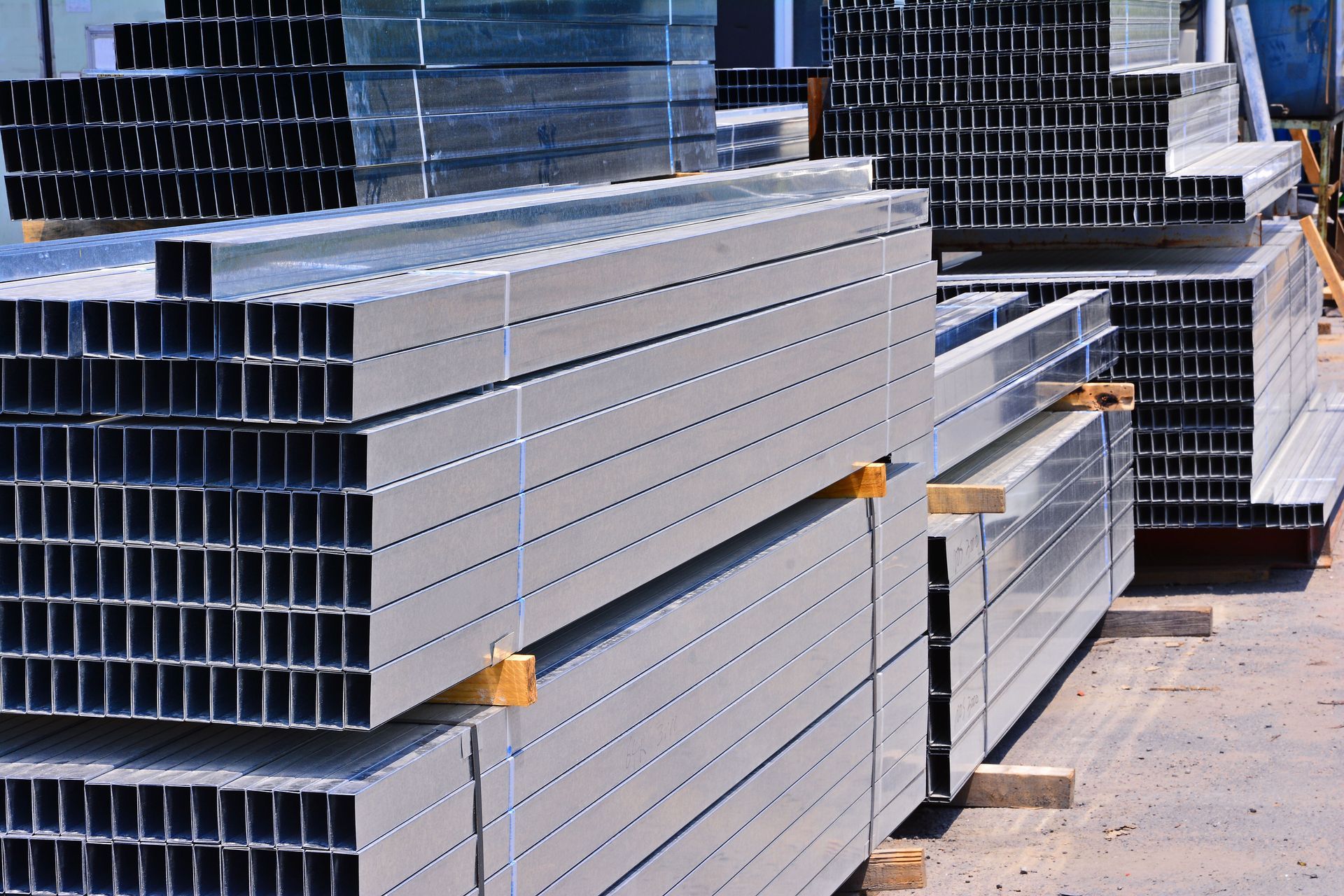
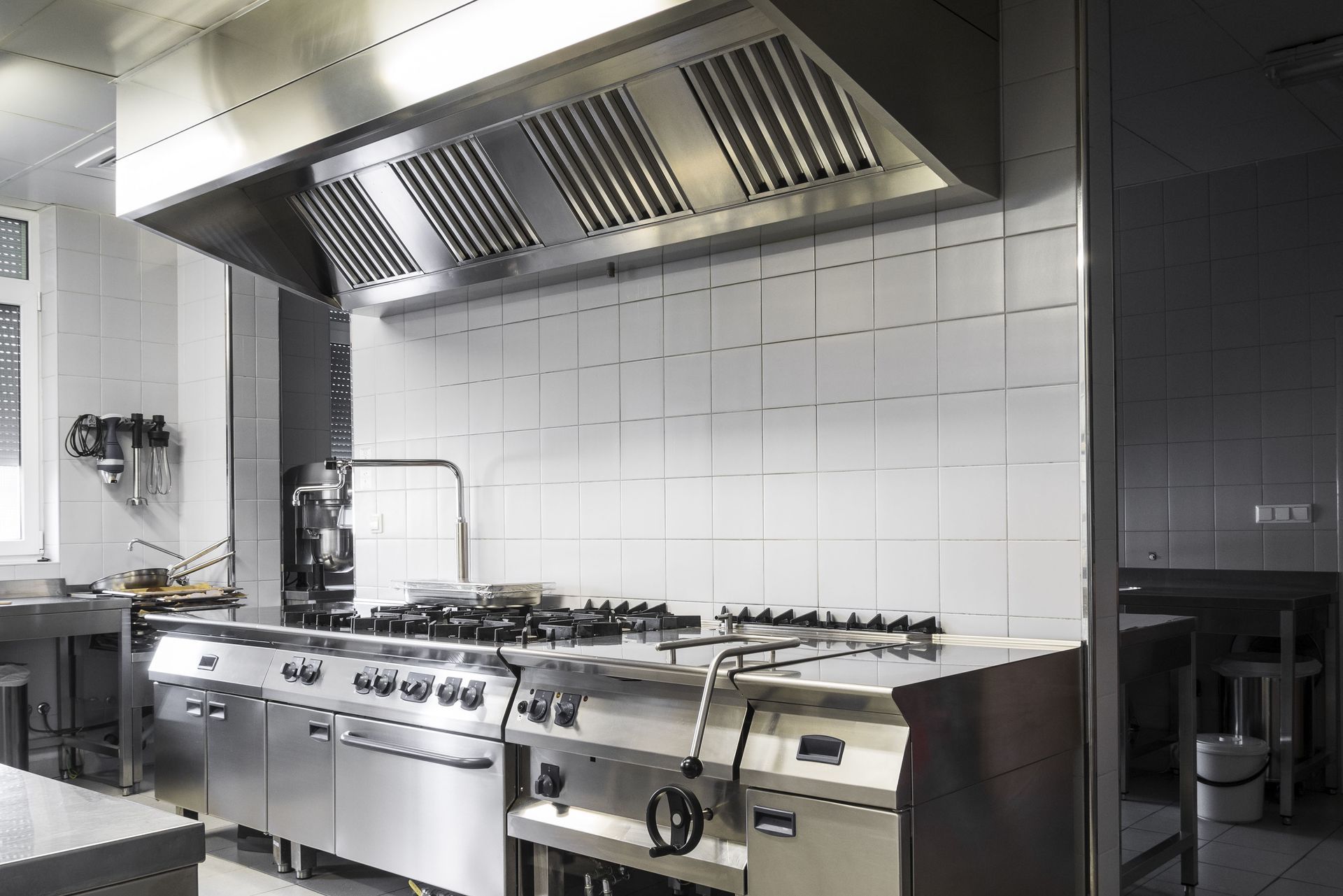
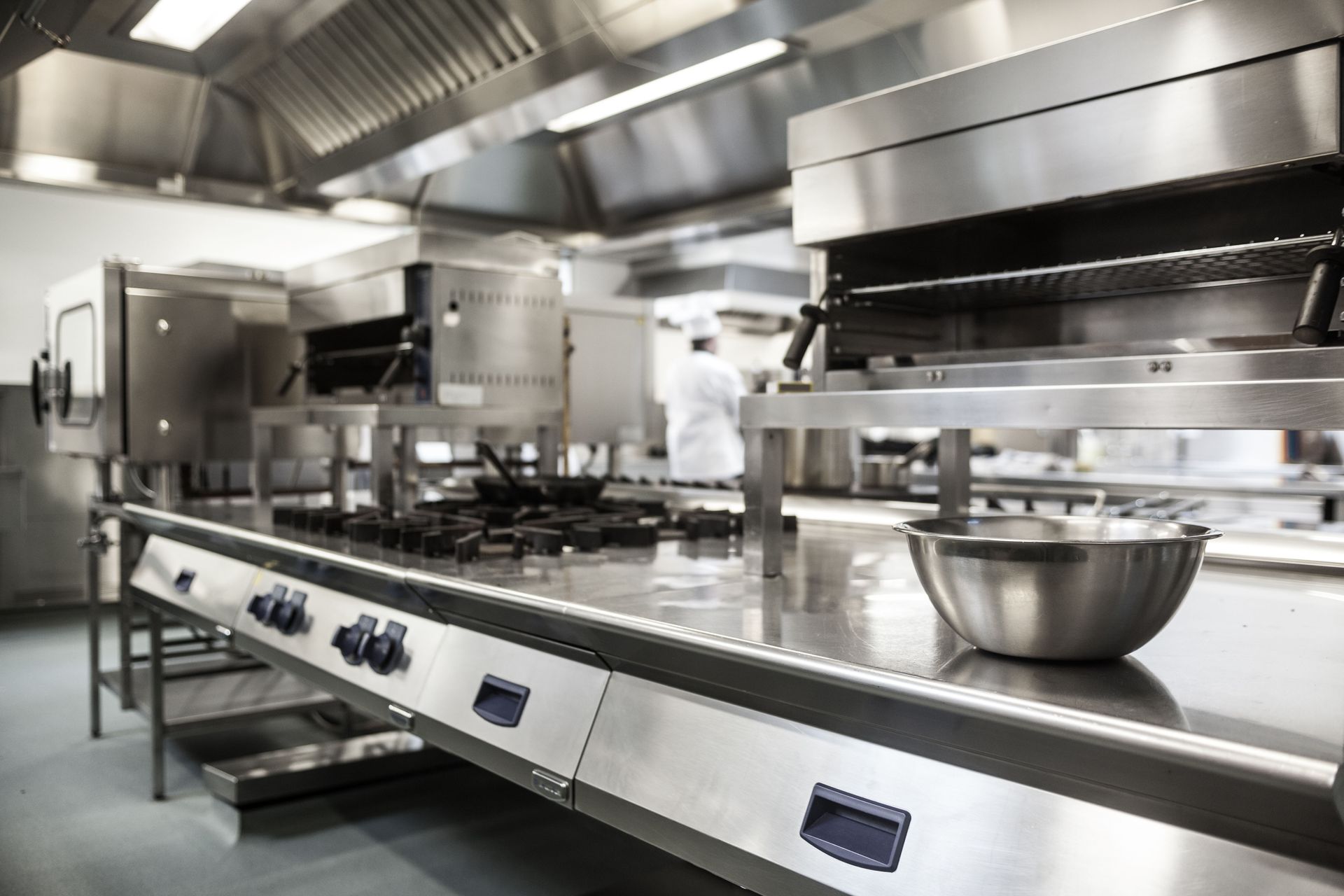
Stainless steel is widely used in commercial kitchens due to its resistance to rust and ease of sanitation. It holds up well against moisture, acidic foods, and high heat. Aluminum, on the other hand, is lightweight and naturally corrosion-resistant, making it a practical option for exterior panels where weight matters. Galvanized steel is more budget-friendly but requires proper coating and maintenance to prevent corrosion over time.
Evaluating Thickness and Strength
Metal thickness, often measured in gauge, directly impacts durability. Thicker sheets provide greater resistance to dents, warping, and structural fatigue. This is especially important in high-traffic cooking areas.
For interior surfaces exposed to constant use, thicker food truck metal sheets are typically recommended. These areas include cooking stations, prep counters, and splash zones. Exterior panels may allow for slightly thinner materials depending on design requirements and weight limitations.
Choosing the right thickness is not just a technical decision. It also affects installation methods and overall vehicle balance. This is where professional input becomes essential, as improper selection can lead to long-term structural issues.
Considering Corrosion Resistance
Food trucks operate in environments where moisture, cleaning chemicals, and temperature fluctuations are constant. Corrosion resistance should be a top priority when selecting materials.
Stainless steel offers strong resistance to rust and staining, making it ideal for both interior and exterior use. Aluminum also performs well in humid environments, though it may be more prone to dents. Galvanized steel relies on a protective coating, which can wear down over time if not maintained properly.
When evaluating food truck metal sheets, consider how often surfaces will be cleaned and what types of substances they will come into contact with. A contractor can recommend finishes or coatings that extend lifespan and reduce maintenance frequency.
Matching Surfaces to Function
Not all areas of a food truck require the same type of metal sheet. Matching materials to specific functions improves both durability and efficiency. Professional designers and builders typically map out material usage based on workflow and compliance requirements. This approach avoids overbuilding in low-impact areas while reinforcing high-stress zones with stronger food truck metal sheets.
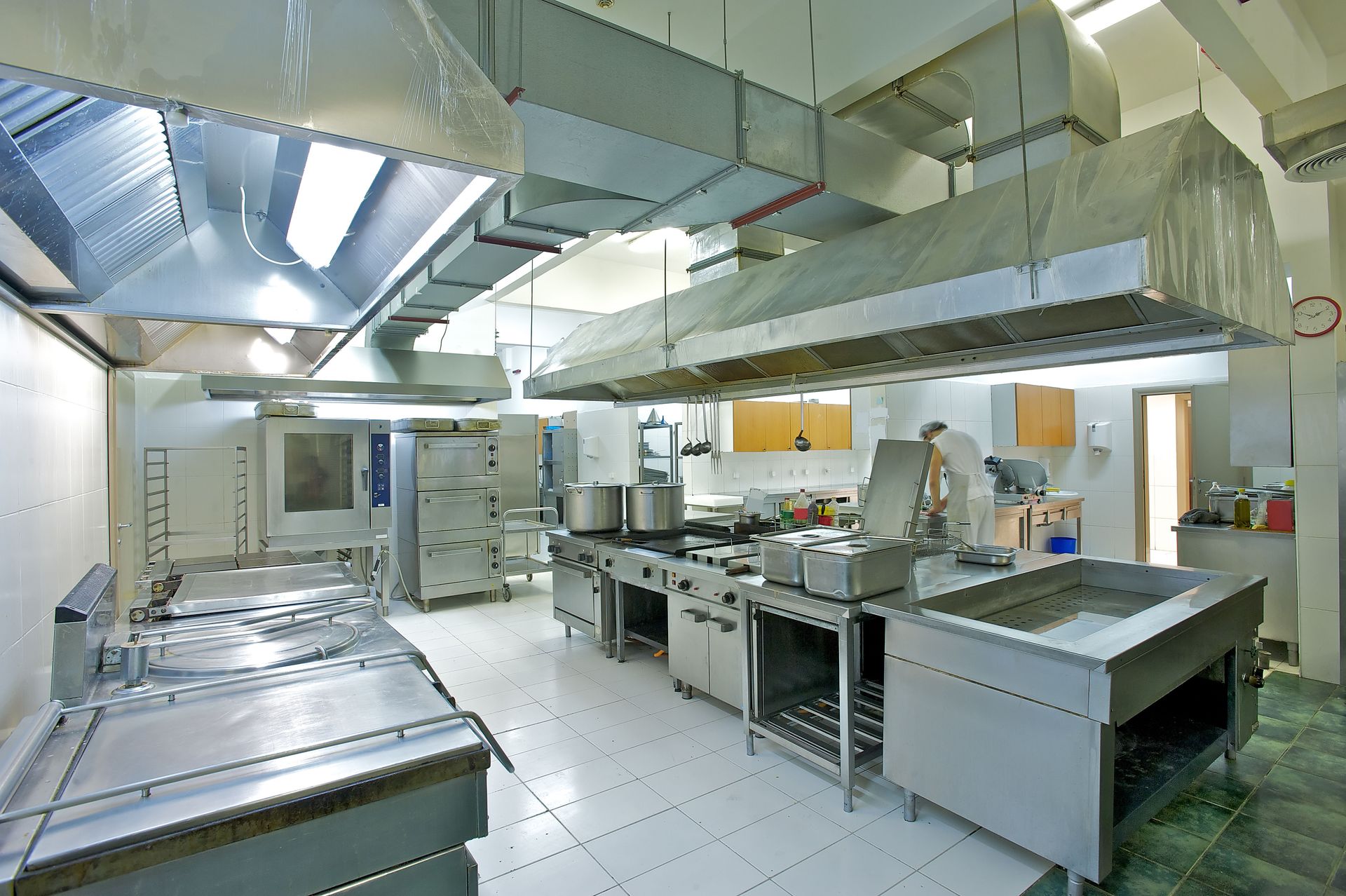
For example, cooking areas benefit from heat-resistant, easy-to-clean surfaces like stainless steel. Storage areas may not require the same level of durability, allowing for more cost-effective materials. Exterior panels must handle weather exposure, road debris, and temperature shifts.
Assessing Finishes and Coatings
Surface finish plays a key role in both durability and maintenance. Brushed, polished, and coated finishes each offer different advantages depending on usage. When selecting finishes for food truck metal sheets, consider how frequently surfaces will be cleaned and how visible wear will be over time. A professional installer can recommend finishes that balance appearance with practical durability.
Brushed stainless steel is commonly used because it hides scratches and fingerprints better than polished surfaces. Powder-coated metals provide an added layer of protection against corrosion and can enhance branding through color customization. Anti-microbial coatings may also be applied in certain areas to support hygiene standards.
Meeting Health and Safety Standards
Food trucks must comply with strict health and safety regulations, especially when it comes to food contact surfaces and cleanliness. Metal sheets used inside the truck must be non-porous, easy to sanitize, and resistant to contamination.
Stainless steel is often the preferred material for meeting these requirements, particularly in prep and cooking zones. Seamless installation is equally important, as gaps or poorly joined panels can trap debris and create sanitation issues.
Working with licensed contractors helps align your material choices with local codes and inspection requirements. This reduces the risk of costly modifications later and supports smoother approvals during inspections.
Factoring in Weight and Mobility
Unlike stationary kitchens, food trucks must remain mobile. Every material choice affects the overall weight of the vehicle, which in turn impacts fuel efficiency, handling, and mechanical wear.
Aluminum is often selected for exterior panels because it reduces weight without sacrificing corrosion resistance. Heavier materials like stainless steel are typically reserved for interior applications where strength and sanitation are more critical.
Balancing weight and durability requires a strategic approach. Professionals can calculate load distribution and recommend food truck metal sheets that meet both performance and mobility requirements without overloading the vehicle.
Planning Professional Installation
Material quality alone does not guarantee durability. Installation plays a major role in how well metal sheets perform over time, affecting both safety and overall structural integrity. Poorly installed panels can lead to warping, gaps, and premature wear, which may compromise the truck's functionality and hygiene standards.
Professional installers use proper fastening methods, sealing techniques, and structural reinforcements to maximize longevity. They also account for expansion and contraction caused by temperature changes, which is especially important in mobile environments where constant movement and vibration occur.
Attempting to cut corners during installation often results in higher repair costs down the line. Engaging experienced commercial builders helps avoid these issues and delivers a more reliable, long-lasting end result that supports both performance and safety.
Comparing Long-Term Value
Initial cost is only one part of the equation. Long-term value depends on how well the material performs over time, how often it needs maintenance, and how it impacts daily operations. Evaluating the total cost of ownership instead of just the purchase price provides a clearer picture of which materials offer the best return over time.
Higher-quality food truck metal sheets may come with a higher upfront price, but they often reduce repair costs and downtime. Materials that resist corrosion, dents, and wear tend to maintain their appearance and functionality longer, which is important for both branding and efficiency.
Selecting the right materials for a food truck is a critical decision that affects durability, compliance, and operational efficiency. From material type and thickness to finishes and installation, every factor contributes to how well the truck performs over time. Small oversights in material selection can lead to increased maintenance, reduced lifespan, and operational disruptions that impact daily service.
Rather than approaching this as a simple purchase decision, it's more effective to work with experienced professionals who understand commercial kitchen requirements and mobile construction challenges. Their input helps align material choices with real-world usage and long-term performance, while also helping avoid costly redesigns or compliance issues during inspections. If you're planning a food truck build or upgrade, connect with Walters Sheet Metal Corporation to source and install high-quality food truck metal sheets designed for lasting durability and performance!





Share On: